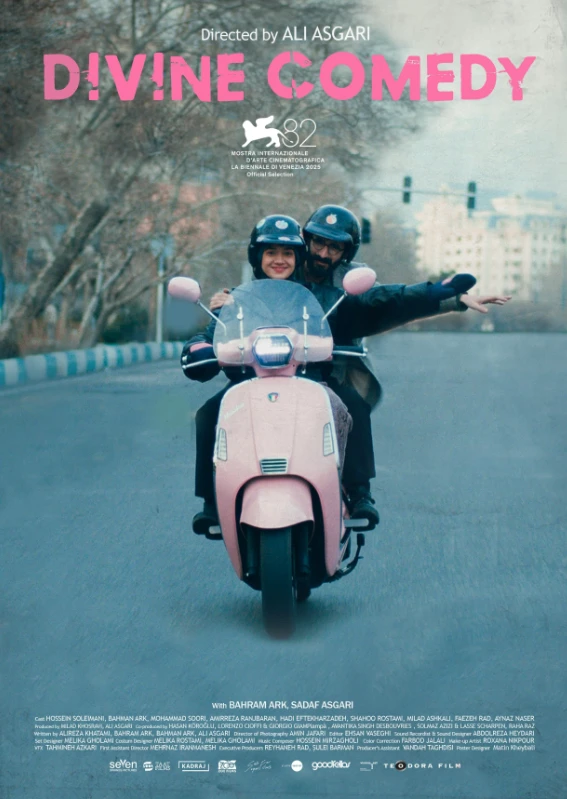
divine comedy
Feature Narrative
Synopsis
Through a navigative journey of absurd bureaucracy, underground deals, and an increasingly surreal reality, Bahram, an Iranian-Azeri filmmaker, decides to screen his banned film without official permission. But when the long-awaited screening finally begins, he never could have anticipated what happens next.

- Duration:
- 95'
- Year:
- 2025
- Color:
- Digital Color
- Production Contry:
- Iran
- Co-production:
- Turkey, France, Germany, Italy
Website: https://goodfellas.film

Director’s Statement
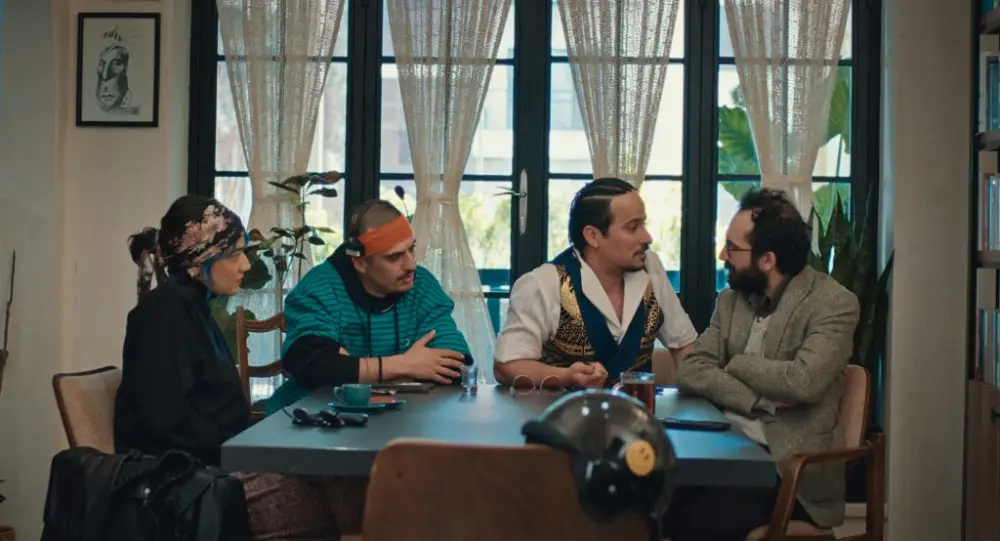
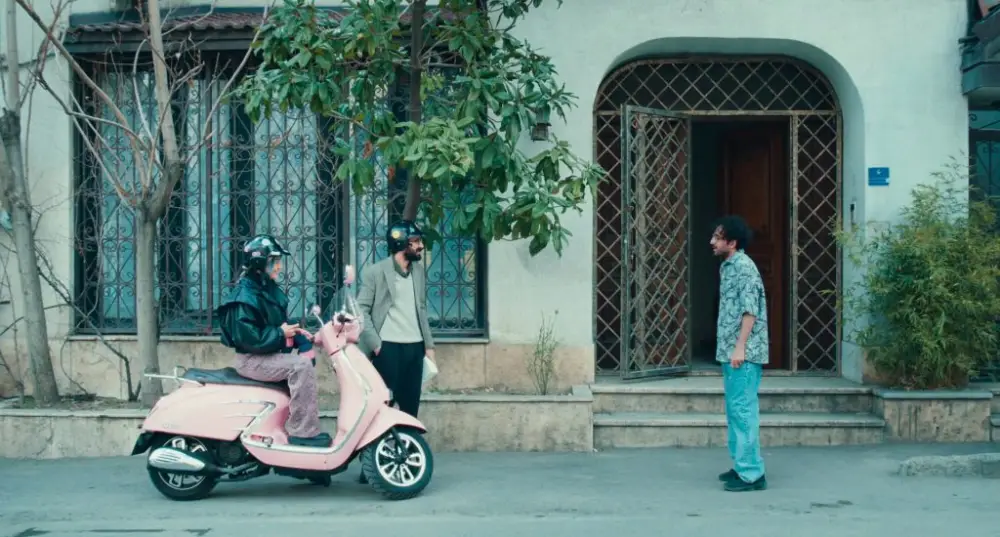
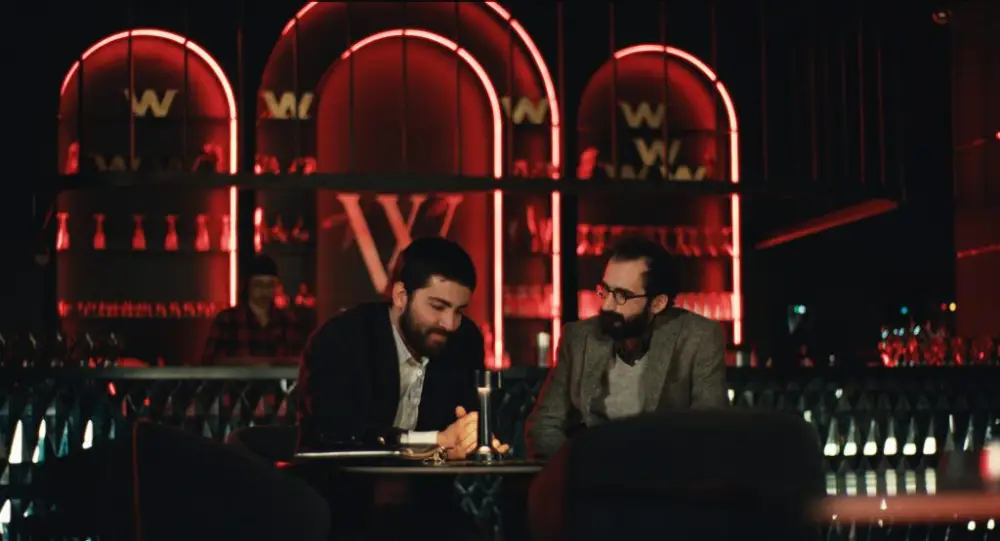
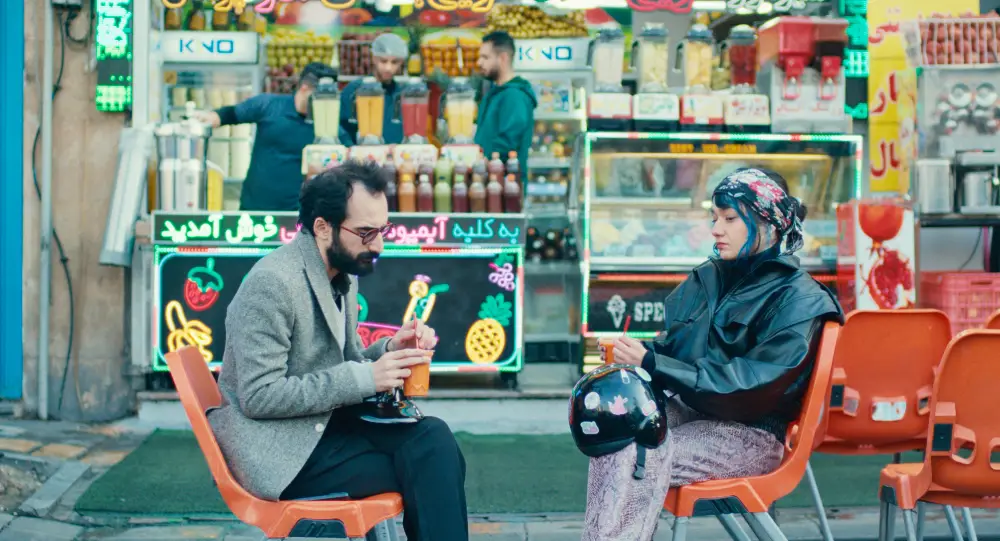
Divine Comedy is a film deeply rooted in realism, but one that uses cinematic form to heighten the absurdity of the world it portrays. The film is designed to mirror the static, suffocating Iranian bureaucracy the protagonist is trapped within, as a 40-year-old director whose entire filmography has been denied screening permission by the Ministry of culture. The audience is forced to sit with the characters, to experience the slow grind of bureaucracy and censorship as it happens. The static compositions reflect the immobility of the system itself—one that refuses to change, that traps its citizens in a cycle of waiting, pleading, and negotiating. The film’s casting further blurs the line between fiction and reality. Bahram and Bahman Ark, real-life filmmakers who have themselves faced government censorship and systemic obstruction, play fictionalized versions of themselves. Their presence in the film is not just a casting choice, it is a meta-textual statement on the very themes of the story. They are not performing resistance; they are enacting their lived experience. Similarly, Sadaf Asgari, who plays a version of herself, brings an authenticity that is impossible to fabricate. As an actress banned from working in Iran after attending Cannes for Terrestrial Verses, her presence alone carries a subversive weight. The film’s humor arises not from overt comedy but from the absurdity of oppression itself. The rigid, overcomplicated processes of film censorship and state control become so illogical that they collapse under their own contradictions. The characters, rather than reacting with overt rebellion, often navigate these absurdities with a quiet, knowing wit. Their dialogue is layered with sarcasm, their reactions subtly mocking a system that takes itself too seriously. The humor here is a survival mechanism, a tool for endurance in an environment where outright defiance carries dangerous consequences. If Terrestrial Verses revealed the cracks in the system through irony, Divine Comedy magnifies them into fractures. The very act of making this film is an extension of its themes—it is an assertion that truth, even when silenced, persists in the spaces between the frames, in the long pauses, in the laughter that erupts in the most unexpected places. At its core, Divine Comedy is a study of resistance—not just through action, but through endurance, observation, and the refusal to disappear. The absurdity of the system is its own undoing, and the film’s aesthetic choices reinforce this. In the final moment, as a single dog watches, unblinking, we are reminded of the power of simply bearing witness. The audience may be scattered, the authorities may intervene, but the act of seeing—like cinema itself—endures.
- Director:
- Ali Asgari
- Screenplay:
- Alireza Khatami, Bahram Ark, Bahman Ark, Ali Asgari
- Director of Photography:
- Amin Jafari
- Original Music:
- Hossein Mirzagholi
- Production Designer:
- Melika Gholami
- Costume Designers:
- Melika Hosseini, Melika Gholam
- Sound mixer:
- Abdolreza Heydari
- Editor:
- Ehsan Vaseghi
- Special Effects:
- Tahmineh Azkari
- Lead Producer - Seven Springs Pictures:
- Milad Khosravi
- Producer:
- Ali Asgari - Taat Films
- Co-producers:
- Hasan Köroğlu - Kadraj
- Co-producers:
- Lorenzo Cioffi, Giorgio Giampà - Zoe Films
- Co-producers:
- Avantika Singh Desbouvries - Salt for Sugar Films
- Co-producers:
- Solmaz Azizi, Lasse Scharpen, Raha Raz - Studio Zentral
Film Stills
Gallery